

Understanding the Global Elite
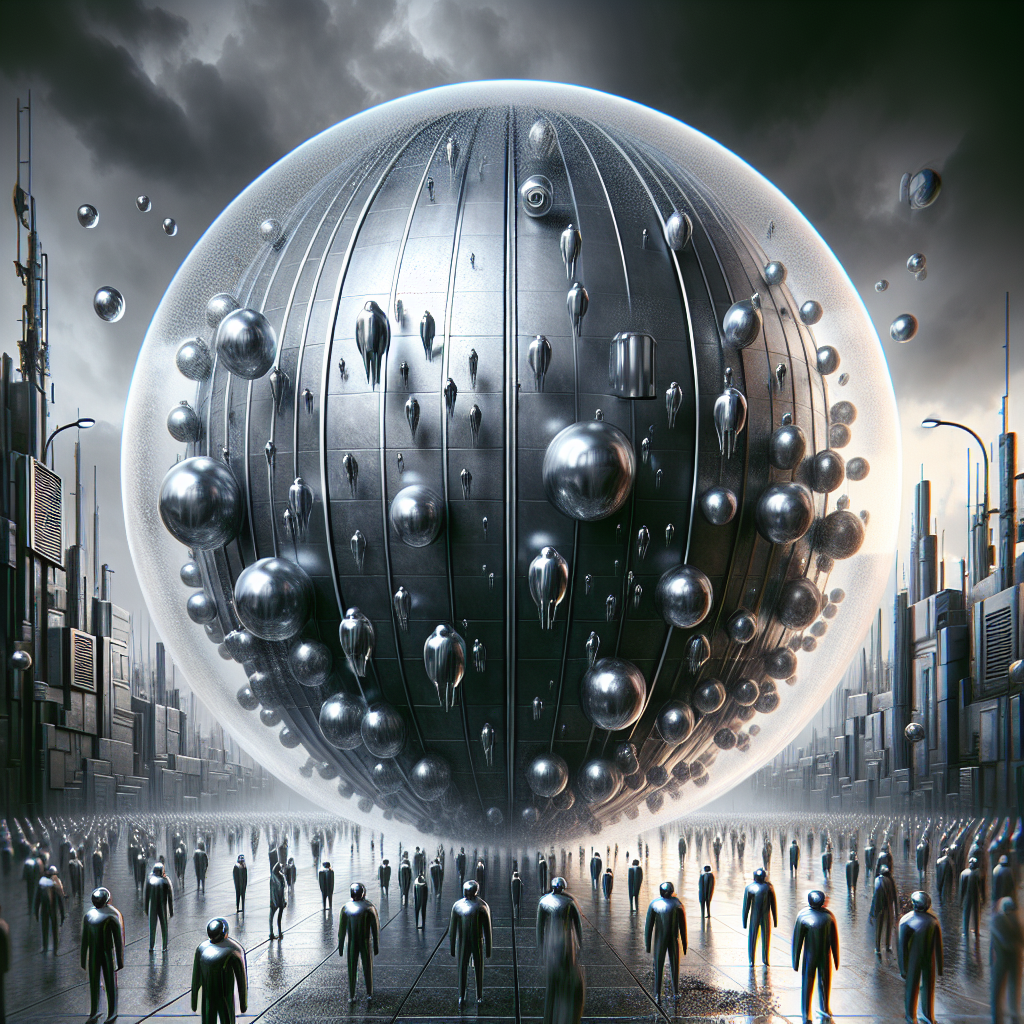
The term “global elite” refers to individuals and groups wielding disproportionate influence over political, economic, and cultural landscapes worldwide. This notion often encompasses billionaires, influential politicians, top executives, and leaders of international organizations. Debates surrounding their actual level of control spark widespread interest and concern.
Historical Context
Historically, the concept of elites controlling societies is not new. Ancient civilizations, from Roman patricians to medieval feudal lords, exemplified hierarchies where a select few held significant power. In the modern era, events like the Industrial Revolution ushered in a new elite class—the industrialists and capitalists whose wealth and influence exploded.
The Rise of Modern Globalization
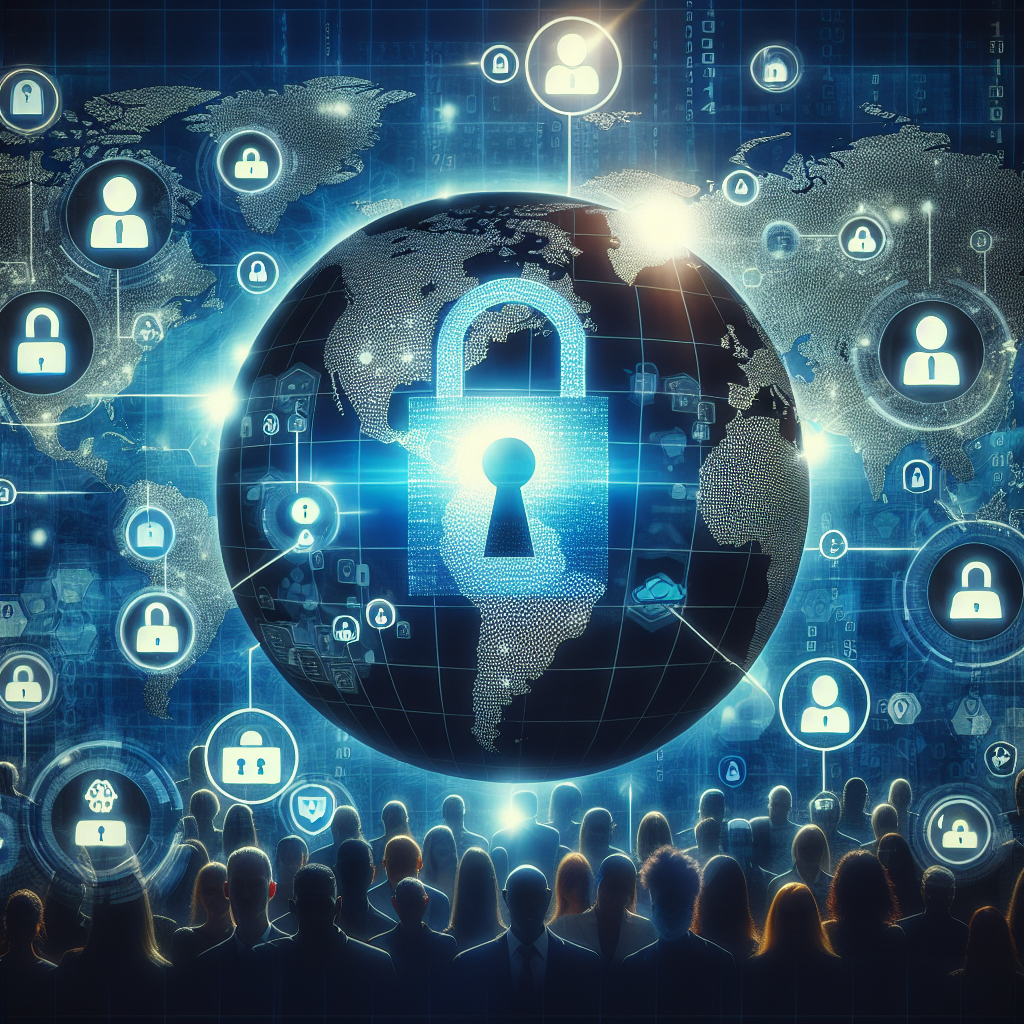
The global elite phenomenon gained momentum with globalization, particularly post-Cold War. Advances in technology, trade, and communication have interconnected economies and societies, generating unprecedented wealth among a small group of individuals. Organizations such as the World Economic Forum and International Monetary Fund have become platforms for elite discussions, further solidifying their status and influence.
Wealth Concentration
One of the critical indicators of the global elite is wealth concentration. Reports from Oxfam and other research institutions highlight that the world’s wealthiest 1% possess as much wealth as the remaining 99%. This disparity raises questions about access to resources and decision-making power. The mechanisms that allow this concentration to persist include tax evasion, political lobbying, and the creation of monopolies, all of which favor the elite.
Political Influence
Political theories suggest that elites manipulate governments to protect their interests. The phenomenon of “money in politics” showcases connections between elite wealth and policy-making. The Citizens United v. FEC ruling in the U.S. allowed corporations and individuals to spend unlimited amounts on political campaigns, significantly amplifying the voice of the elite in politics. This stranglehold often undermines democratic processes, stifling the influence of regular citizens.
The Role of Corporations
Corporations and the global elite are inextricably linked. A small number of multinational corporations dominate key industries, facilitating a concentration of power that extends to governments. Such corporations wield influence over labor laws, environmental standards, and international trade agreements. The corporate lobby often eclipses the will of the electorate, shaping policies that favor profits over public welfare.
The Media Landscape
Media ownership is another facet through which the global elite maintain control. Concentrated media ownership leads to a homogenization of viewpoints and narratives. With a few corporations controlling much of the news, information can be skewed to reflect elite interests. This manipulation shapes public perception, limiting the diversity of thought and constraining democratic dialogue.
Social Movements and Resistance
Despite their power, evidence suggests that the global elite face increasing resistance. Social movements advocating for economic equality, climate change awareness, and social justice reflect a growing discontent with the current hierarchical system. Activists are utilizing digital platforms to mobilize and organize, countering elite narratives and raising awareness among the populace.
The Impact of Technology
Technology plays a dual role in the discussion of the global elite. While it has enabled wealth creation and enhanced communication, it has also empowered grassroots movements. Social media platforms facilitate information sharing and mass mobilization, challenging the elite’s traditional means of control. This shift suggests a dynamic tension between concentration of power and grassroots empowerment.
The Future of Elite Control
Questions remain about the durability of elite power. Some theorists argue that challenges posed by climate change, economic inequality, and political unrest could disrupt established power structures. The World Economic Forum’s annual meetings often highlight the need for sustainable, inclusive growth, hinting at potential shifts in elite thinking and responsibility.
Globalization and Interconnected Challenges
As the world faces interconnected challenges like pandemics, climate change, and economic instability, the global elite’s responses will be scrutinized. Their strategies in these areas could either reinforce their control or catalyze a genuine commitment to global betterment. Public demand for accountability is rising, creating a complex environment where the elite’s motives and actions will be under intense observation.
Conclusion: A Continuous Debate
The debate over the extent to which the global elite control society is ongoing and multi-faceted. Economic, political, and social dynamics create a complex tapestry of power relationships. While evidence indicates that the elite wield significant influence, emerging resistance movements, technological advancements, and a critical public can disrupt traditional power structures. This remains a compelling and evolving discourse in understanding the future of global governance and societal structure.









Leave a Reply